
 Full screen
Nothing Is Stored — The Grid — one day on an electrical grid
Energy Grid Data Story Template
A scroll-driven explainer about the fact that electricity is not stored: it is made in the instant it is used. The page follows one day on a grid through balance, inertia, the response stack and the moments the system is tested.
 View Full Screen

Free to browse and preview. Starting a project from a template needs a paid plan. Attach images or documents and they are used to make it yours.
About this design
This is the most quantitative page in the library and the best model for a data story where the numbers are the point. It never shows a chart without first explaining what would make the line move, which is the difference between a dashboard and an explanation.
It is also proof that an infrastructure subject does not have to look like a utility brochure. The typography and the pacing are editorial; the content is engineering. That combination is what most technical companies are actually looking for.
What’s included (9)
- Hud
- There is no battery. It is being made right now.
- Every generator on the system is one machine, turning together
- The whole reserve is the weight of the spinning parts
- A stack of responses, arranged by how fast they can arrive
- The largest surge on record was caused by a penalty shoot-out
- Four numbers off the wall of a control room
- In 2018 the clocks in Europe went slow.
- Footer
Design System
Palette
- --ink: #eff3f8
- --ink-2: #c0cad8
- --ink-3: #8590a1
- --line: rgba(206, 220, 240, 0.13)
- --line-2: rgba(206, 220, 240, 0.27)
Typefaces
IBM Plex Sans, IBM Plex Mono, Inter
Who it’s for
- Energy utilities, grid operators and regulators
- Cleantech and storage companies explaining the problem they solve
- Data journalism on infrastructure and supply
- Technical companies that need an editorial explainer
Specification
- Layout
- 1440px wide
- Page length
- 7,700px
- Sections
- 9
- Colour scheme
- Dark
- Typefaces
- 3
- Scroll-driven — the page responds as you move down it
- Live WebGL graphics, rendered in the browser
- No photography — everything is drawn in code, so it stays sharp
How to use this template
Look through the design
Scroll the live preview on this page. It is the real energy grid data story template running in the browser, not a screenshot, so what you see is what you get.
Say what you want it to be
Type your business, product or subject into the box, and attach a logo, photos or a brief if you have them, or leave it blank to start from the design exactly as it is. Starting a project from a template is a paid-plan feature; looking through them is not.
Let it be rebuilt around you
The copy, the palette and the imagery are rewritten for your subject while the layout, typography and motion of the original are kept.
Keep editing, then export
Open it on the canvas to change anything by prompt or by hand, then publish it or export the code.
Questions
Are the figures real?


The page is built on published grid behaviour — frequency, inertia and reserve — and presents it as an explanation rather than a live feed. Replace it with your own data when you make the page yours.
Can I point it at my own dataset?
Yes. Describe the story your data tells and the page keeps its structure — hook, mechanism, stack, stress test, numbers, close.
Is this energy grid data story template free to use?
Browsing is free and needs no account — you can scroll the whole design on this page, at desktop and at mobile width, before deciding anything. Starting a project from a template is on the paid plans.
Can I change the colours and fonts?
Yes — every colour in this design is a named token and every typeface is declared once, so asking for your own brand rewrites a handful of declarations rather than regenerating the page. This template currently uses IBM Plex Sans, IBM Plex Mono and Inter.
Do I need an account to look at the templates?
No. Every template page, its live preview and all the category pages are open to anyone — no account, no sign-up wall. An account and a paid plan are needed only when you start a project from one.
Do I need to know how to design or code?
No. You describe what you want in plain language and the page is rebuilt around it. If you do write code, you can export the HTML and CSS and take it with you.
Can I use it for a commercial project?
Yes. Pages you make from a template are yours to publish and to use commercially.
More Education templates
See all education templates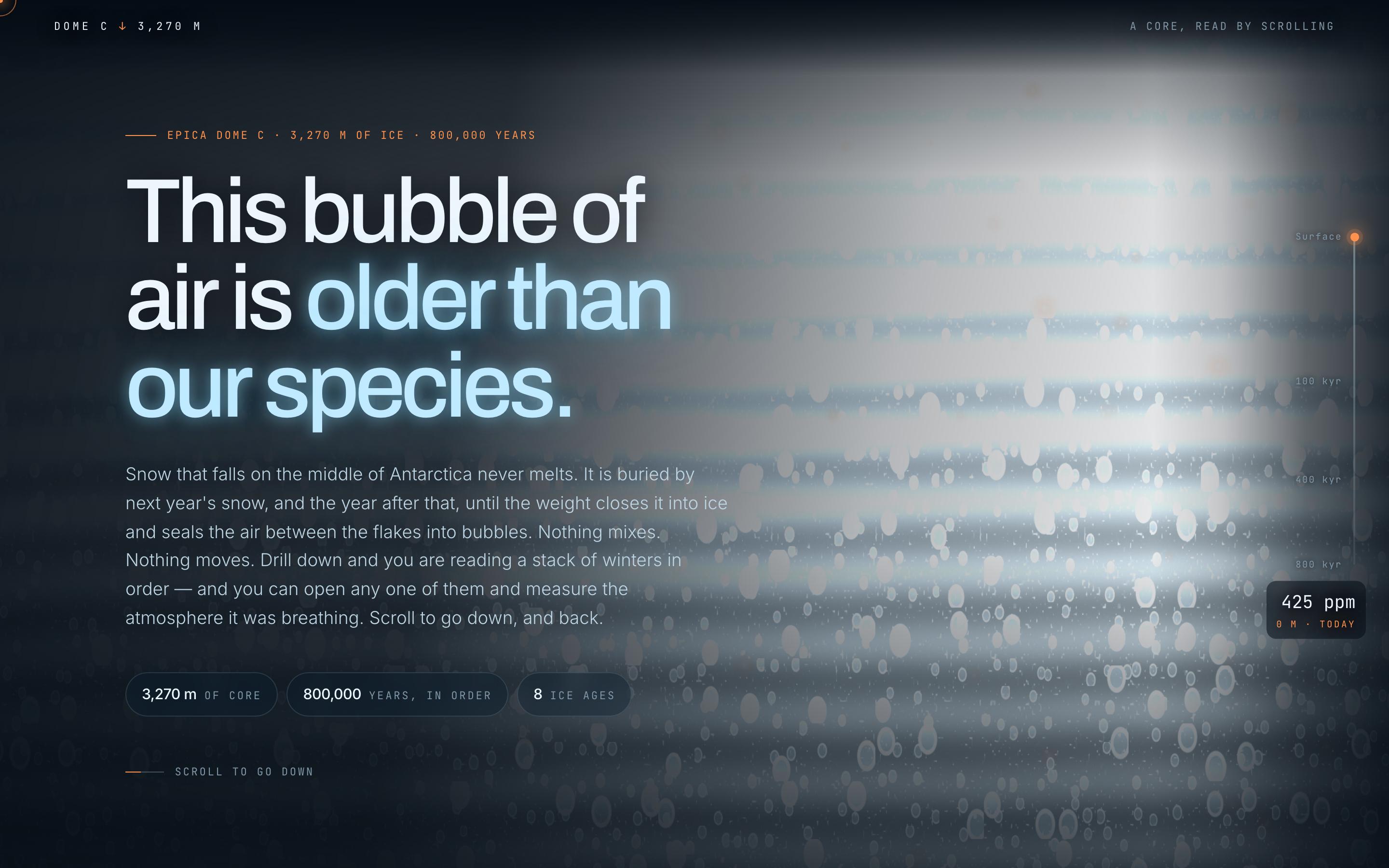
Climate Science Scrollytelling Template
EducationAntarctic Ice Core
This bubble of air is older than our species
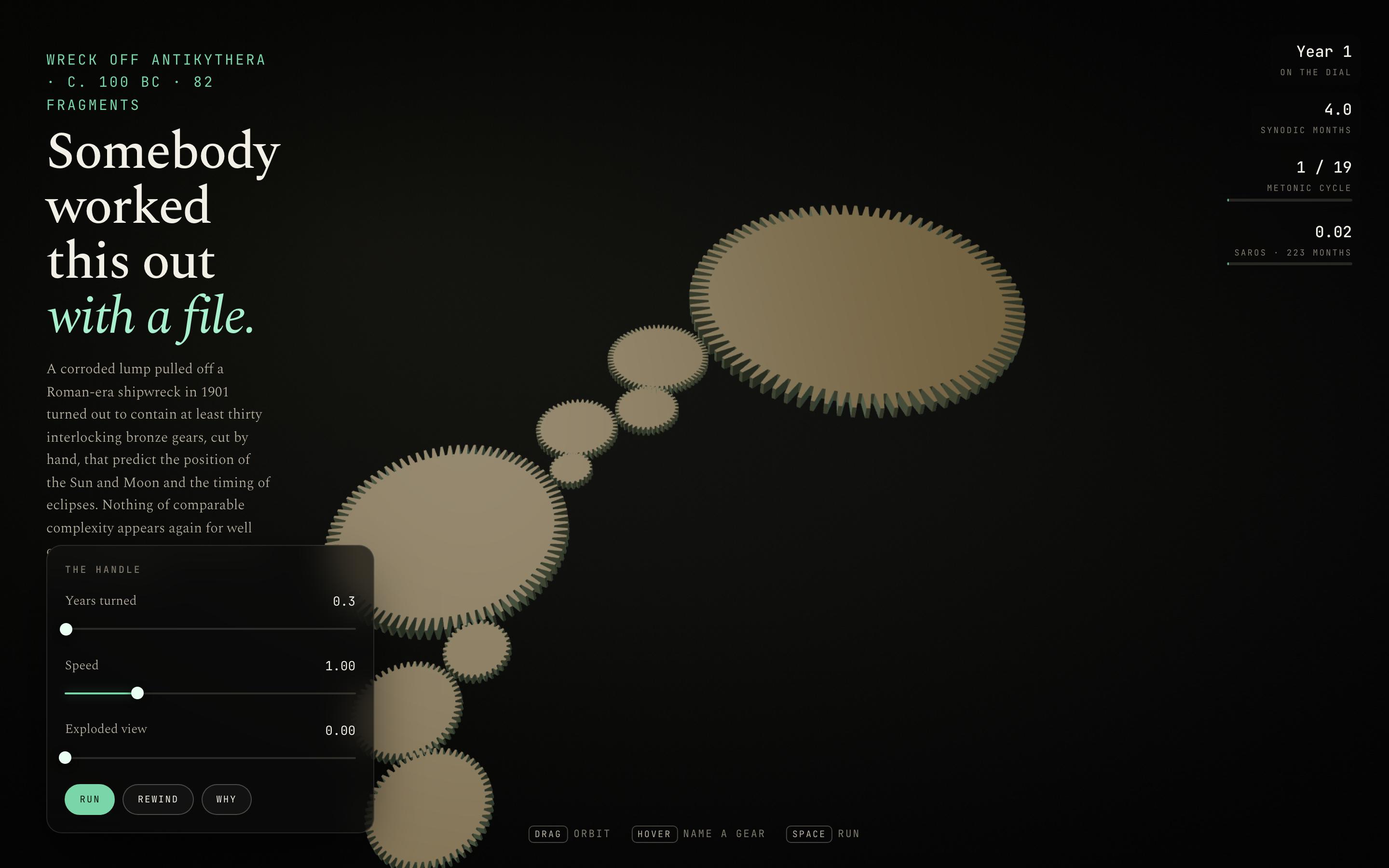
Interactive Mechanism Explainer Template
EducationThe Antikythera Mechanism
Somebody worked this out with a file
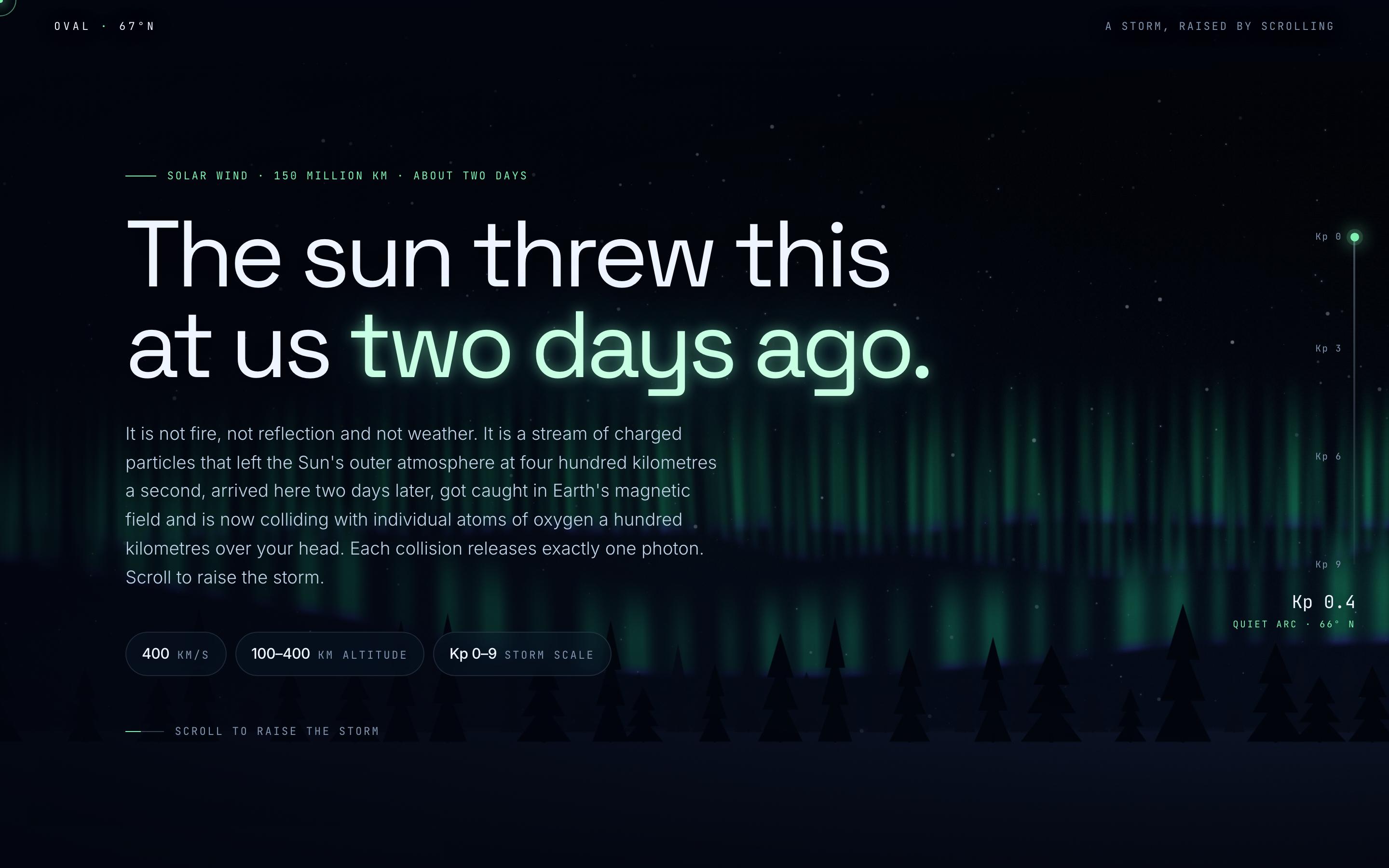
Space Weather Explainer Template
EducationAurora Borealis
The sun threw this at us two days ago
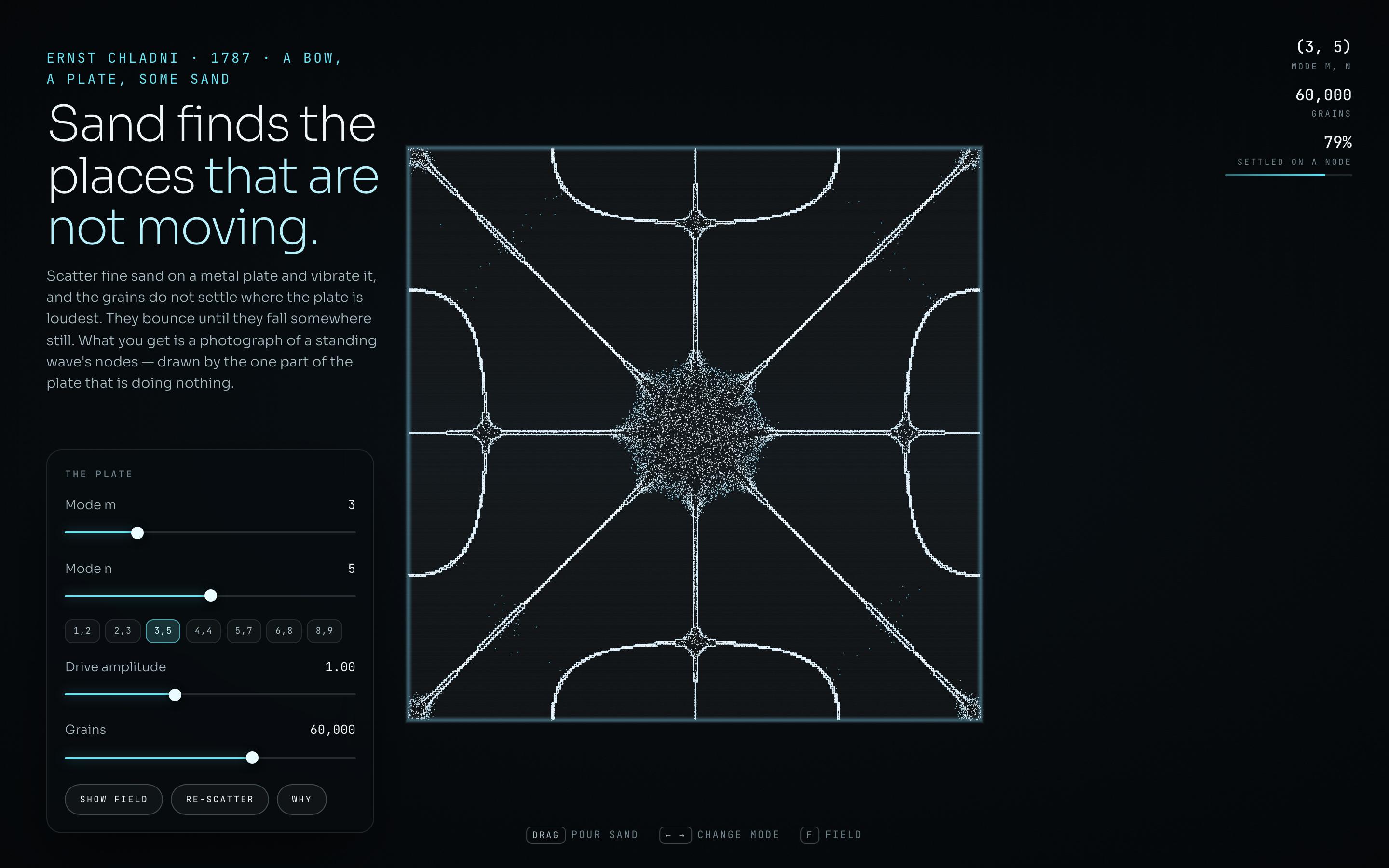
Generative Art Landing Page Template
EducationChladni Plate
Sand finds the places that are not moving
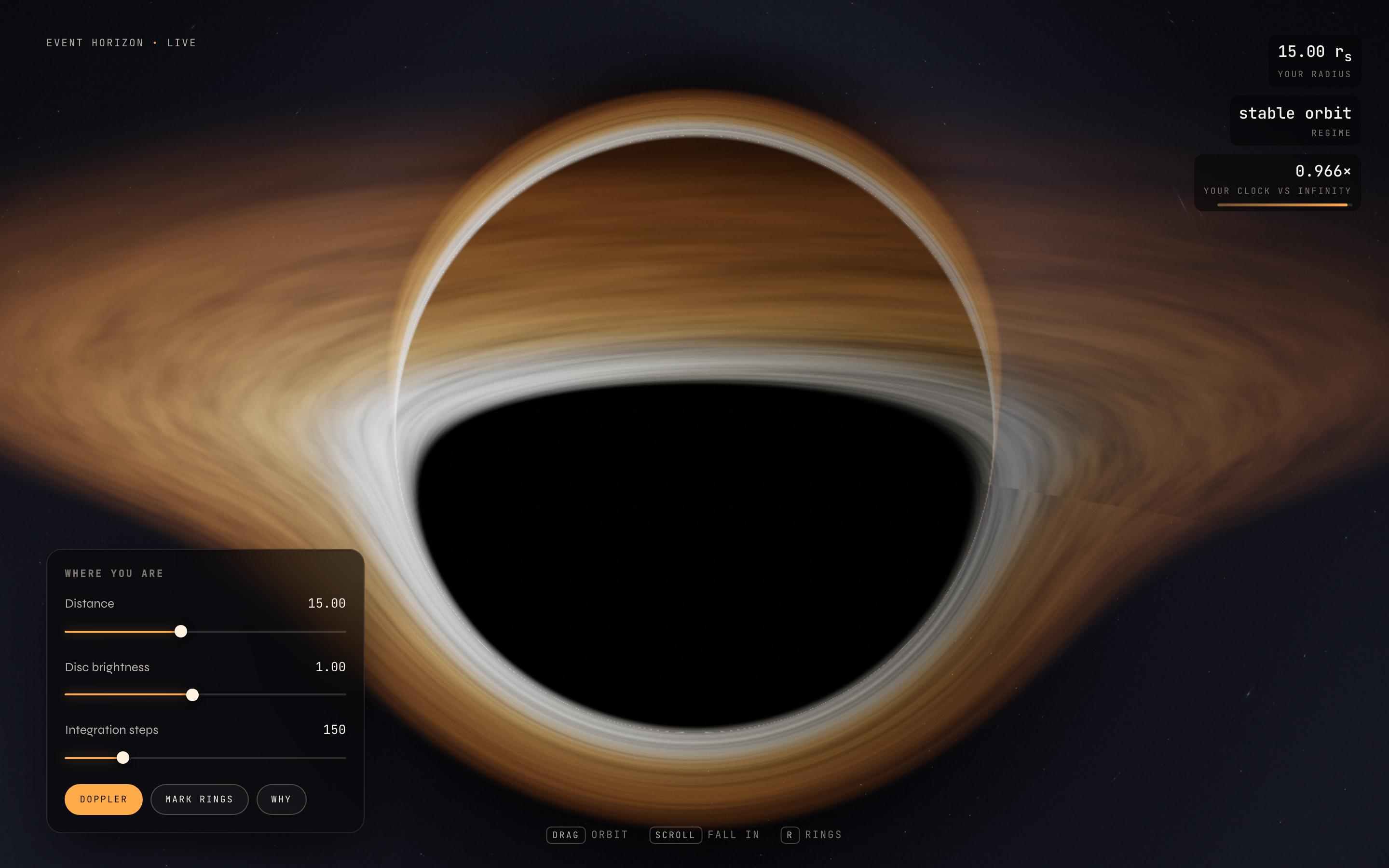
Astrophysics Visualisation Template
EducationEvent Horizon
photons bending around a black hole
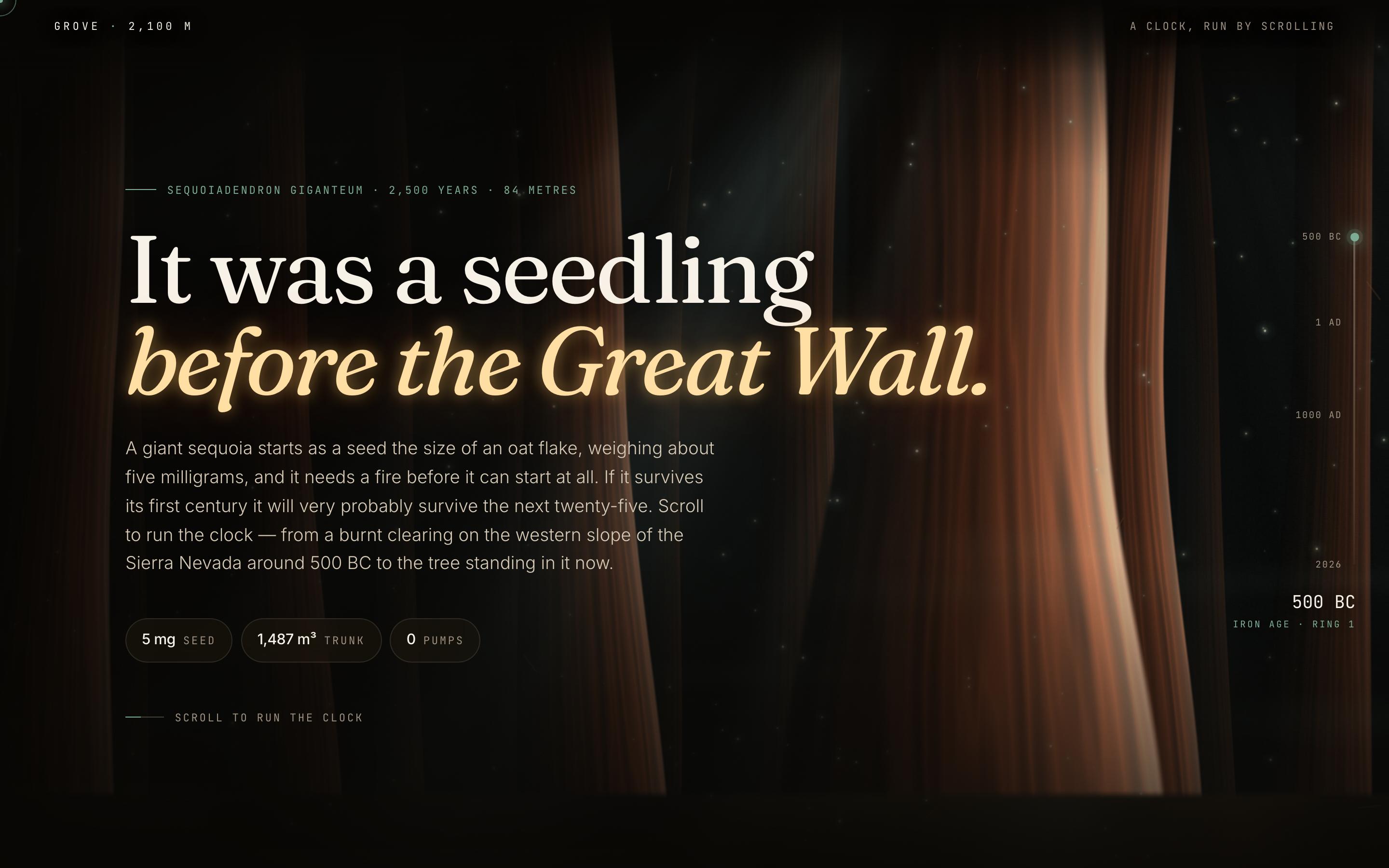
Nature Conservation Website Template
EducationGiant Sequoia
It was a seedling before the Great Wall

Join our community
Share work, seek support, stay updated and network with other UXMagic.ai users
