
 Full screen
Nagi — Omakase Counter — an eight-seat omakase counter in Shirokanedai
Omakase Restaurant Website Template
A light, quiet page for an eight-seat counter. Five sections and nothing more: the room, the course, the people behind the counter, the booking, and the details. It is the shortest page in the library on purpose.
 View Full Screen

Free to browse and preview. Starting a project from a template needs a paid plan. Attach images or documents and they are used to make it yours.
About this design
Restaurant sites fail by overstating. This one is built on the assumption that the room is small, the menu is fixed and the booking is the only thing a visitor actually needs — so it says the minimum, with enough space around it that the restraint reads as confidence rather than as an unfinished site.
The typography carries almost all of the work. There is no hero video and barely any imagery, which is why it loads instantly and why it still feels expensive.
What’s included (6)
- Masthead
- Nagi .
- Fourteen pieces, in an order that is not decoration
- Four things that do not appear on the menu
- Eight seats a night, and no way to make a ninth
- Footer
Design System
Palette
- --paper: #f1ece2
- --paper-hi: #f7f3ea
- --paper-lo: #e8e1d3
- --ink: #1a1713
- --ink-2: #4b453b
- --ink-3: #8a8173
- --line: rgba(26,23,19,.13)
- --line-2: rgba(26,23,19,.28)
- --acc: #bd3c22
- --acc-soft: rgba(189,60,34,.10)
Typefaces
Shippori Mincho, Inter, JetBrains Mono
Who it’s for
- Tasting-menu and chef's-counter restaurants
- Small rooms with a fixed seating and a booking list
- Wine bars, coffee roasters and single-product rooms
- Any hospitality brand selling restraint
Specification
- Layout
- 1440px wide
- Page length
- 7,000px
- Sections
- 6
- Colour scheme
- Light
- Typefaces
- 3
- Scroll-driven — the page responds as you move down it
- No photography — everything is drawn in code, so it stays sharp
How to use this template
Look through the design
Scroll the live preview on this page. It is the real omakase restaurant website template running in the browser, not a screenshot, so what you see is what you get.
Say what you want it to be
Type your business, product or subject into the box, and attach a logo, photos or a brief if you have them, or leave it blank to start from the design exactly as it is. Starting a project from a template is a paid-plan feature; looking through them is not.
Let it be rebuilt around you
The copy, the palette and the imagery are rewritten for your subject while the layout, typography and motion of the original are kept.
Keep editing, then export
Open it on the canvas to change anything by prompt or by hand, then publish it or export the code.
Questions
Is there a reservation system?


The booking section is designed as the page's closing step. Connect it to your own reservation provider once the page is yours.
Can I add a full menu?
Yes, though the design's argument is that a fixed course reads better than a long list. Ask for a menu section and it will be set in the same restrained style.
Is this omakase restaurant website template free to use?
Browsing is free and needs no account — you can scroll the whole design on this page, at desktop and at mobile width, before deciding anything. Starting a project from a template is on the paid plans.
Can I change the colours and fonts?
Yes — every colour in this design is a named token and every typeface is declared once, so asking for your own brand rewrites a handful of declarations rather than regenerating the page. This template currently uses Shippori Mincho, Inter and JetBrains Mono.
Do I need an account to look at the templates?
No. Every template page, its live preview and all the category pages are open to anyone — no account, no sign-up wall. An account and a paid plan are needed only when you start a project from one.
Do I need to know how to design or code?
No. You describe what you want in plain language and the page is rebuilt around it. If you do write code, you can export the HTML and CSS and take it with you.
Can I use it for a commercial project?
Yes. Pages you make from a template are yours to publish and to use commercially.
More Food & Beverage templates
See all food & beverage templates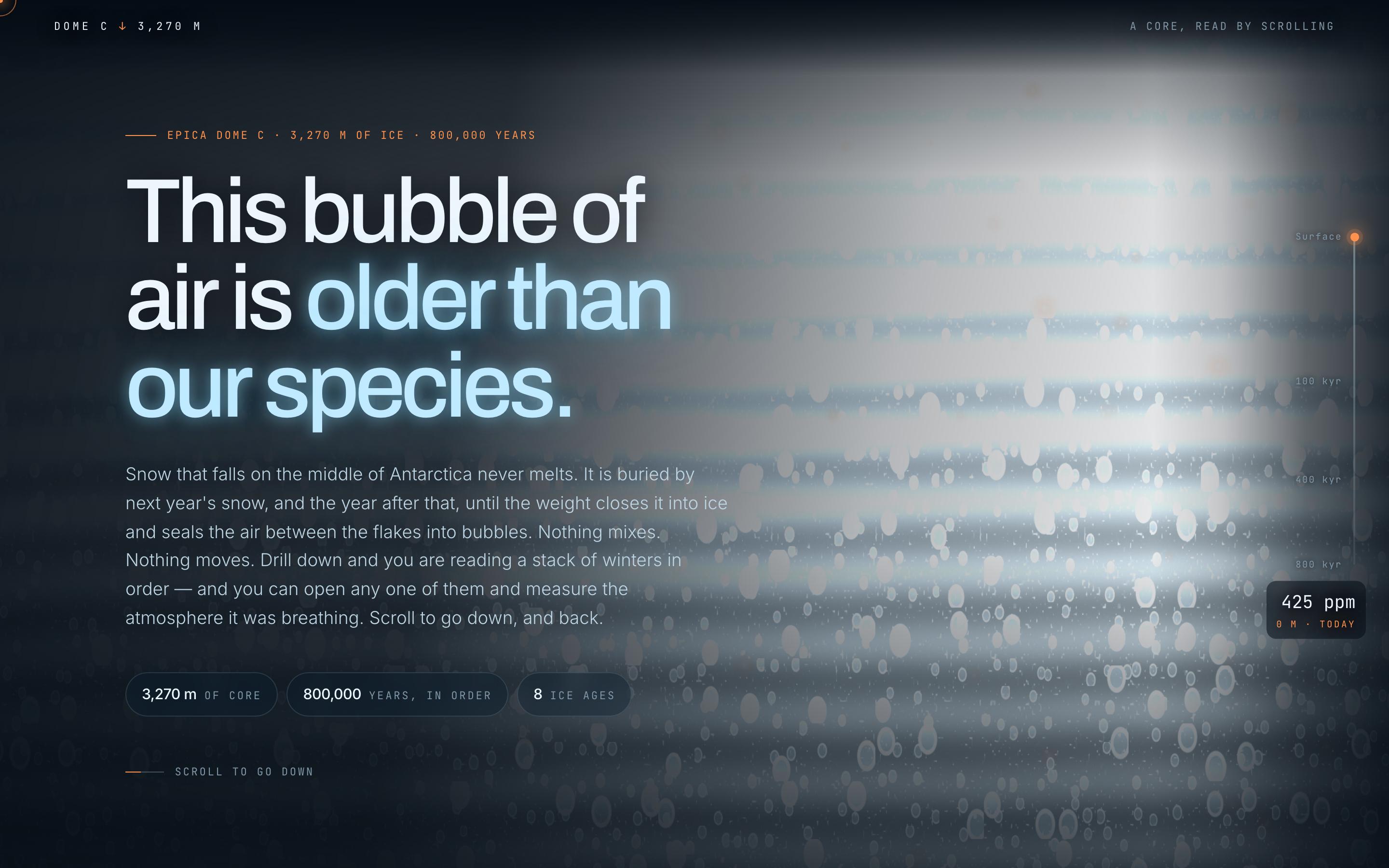
Climate Science Scrollytelling Template
EducationAntarctic Ice Core
This bubble of air is older than our species
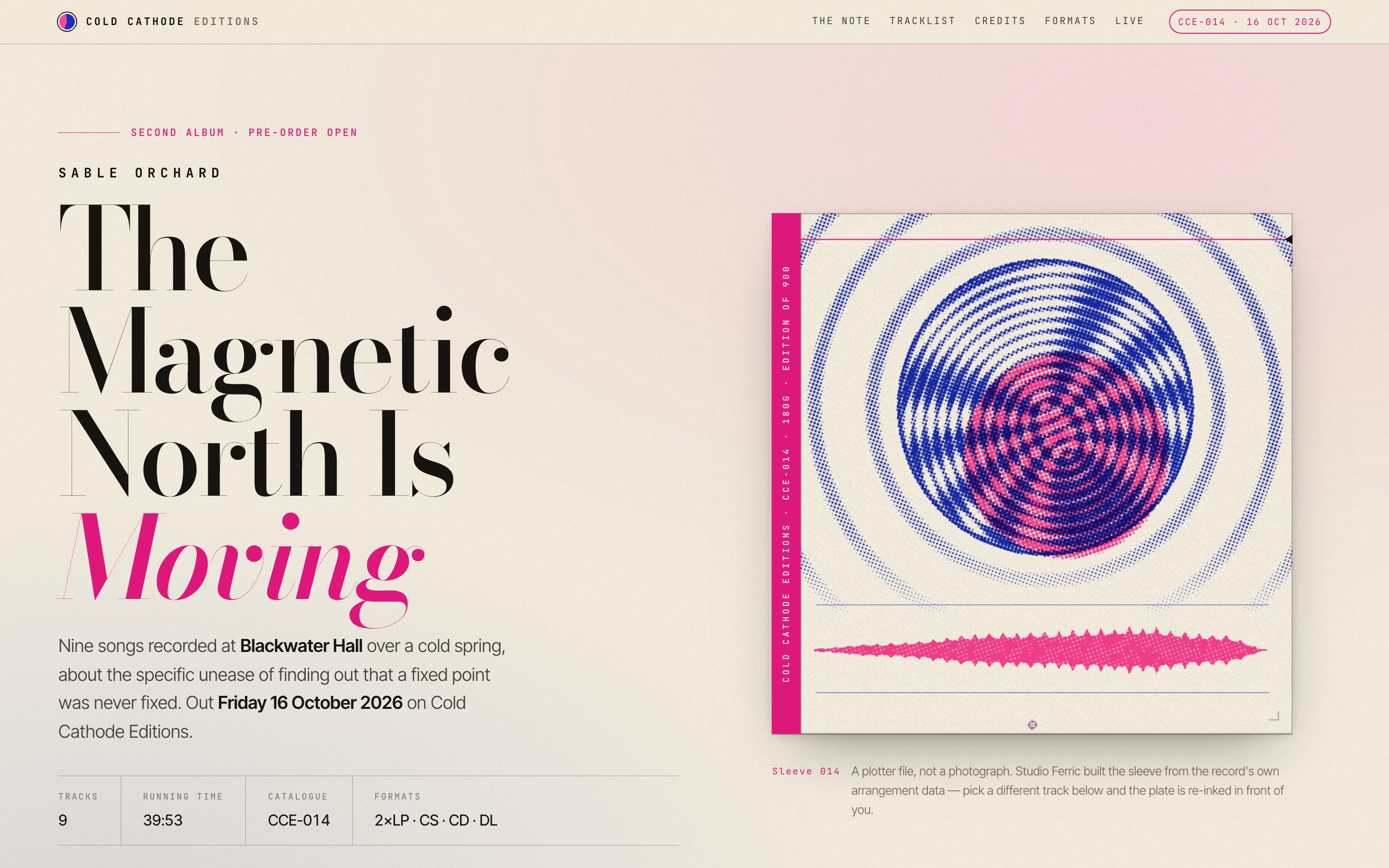
Album Release Website Template
EntertainmentSable Orchard — Album Release
The Magnetic North Is Moving · Cold Cathode Editions
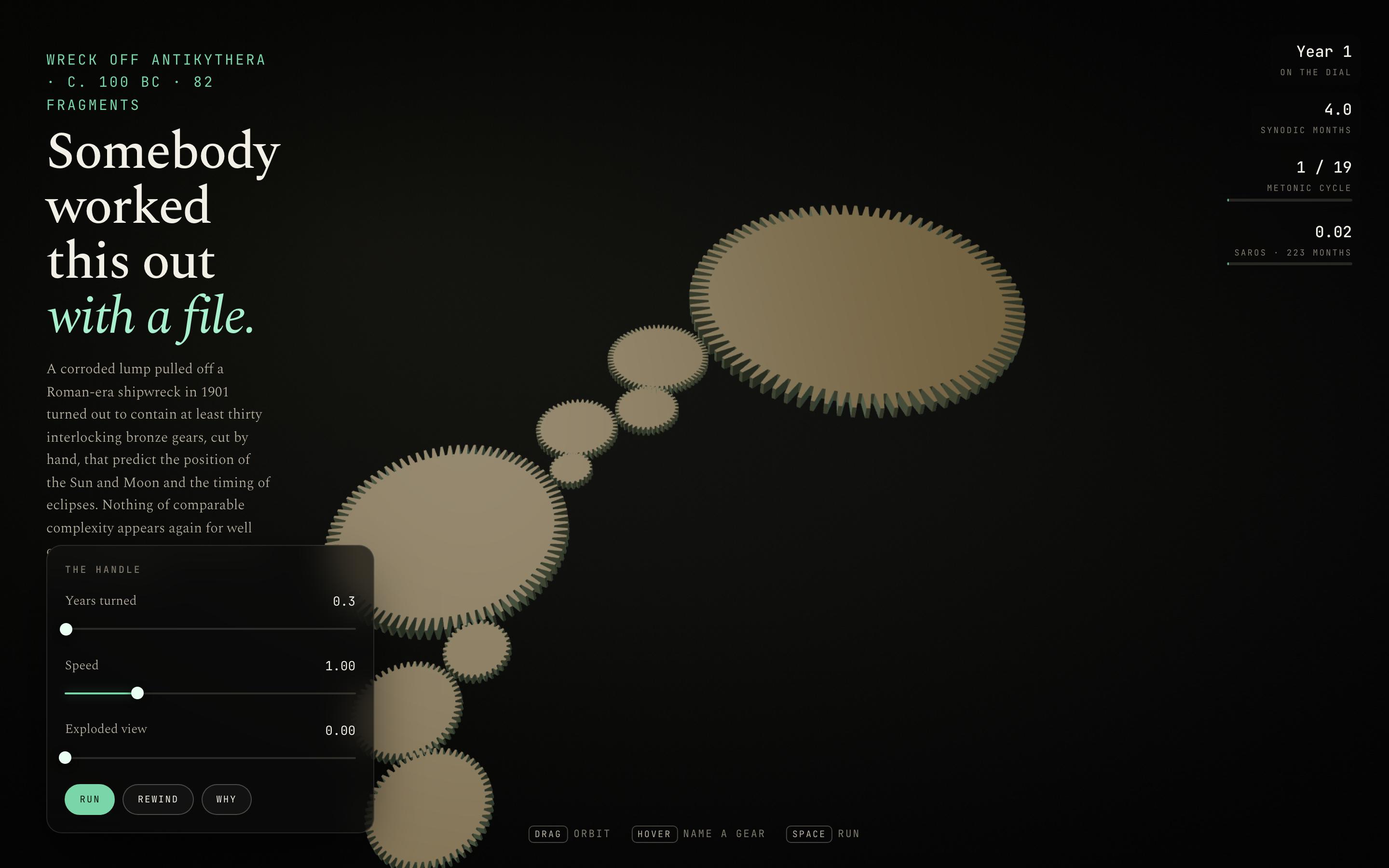
Interactive Mechanism Explainer Template
EducationThe Antikythera Mechanism
Somebody worked this out with a file
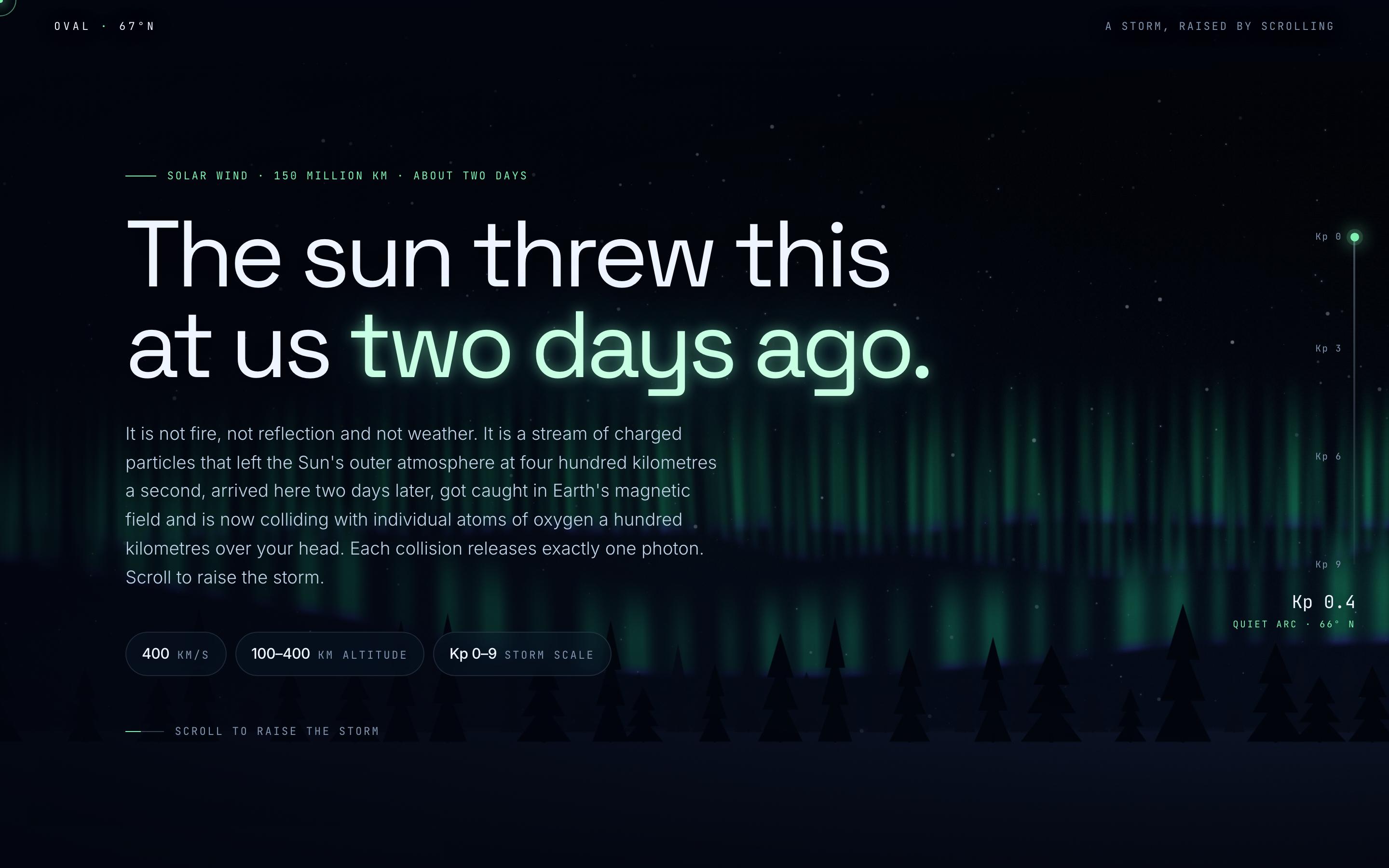
Space Weather Explainer Template
EducationAurora Borealis
The sun threw this at us two days ago
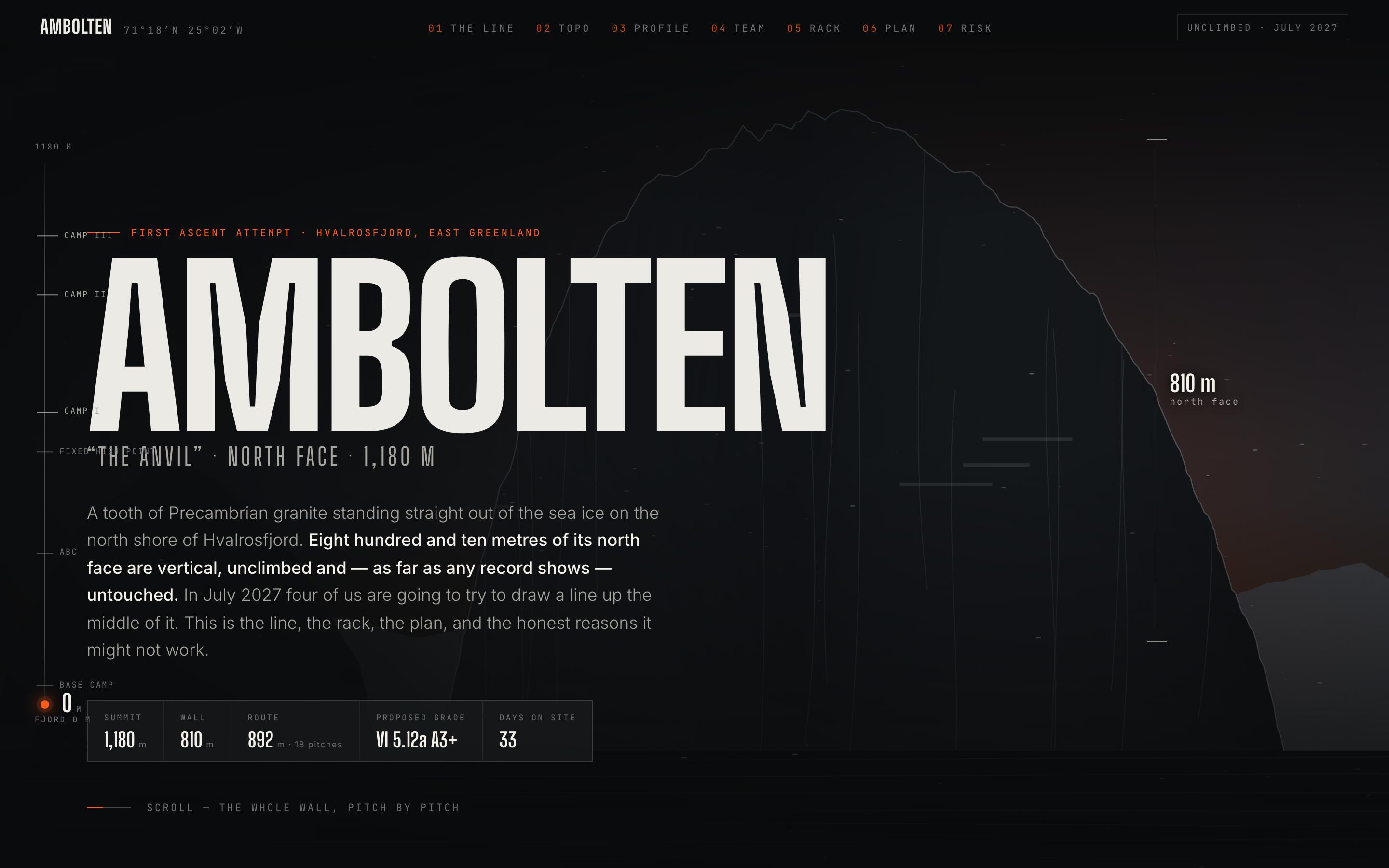
Climbing Expedition Website Template
TravelAmbolten — Big Wall Expedition
810 metres of unclimbed granite, and the line we think goes
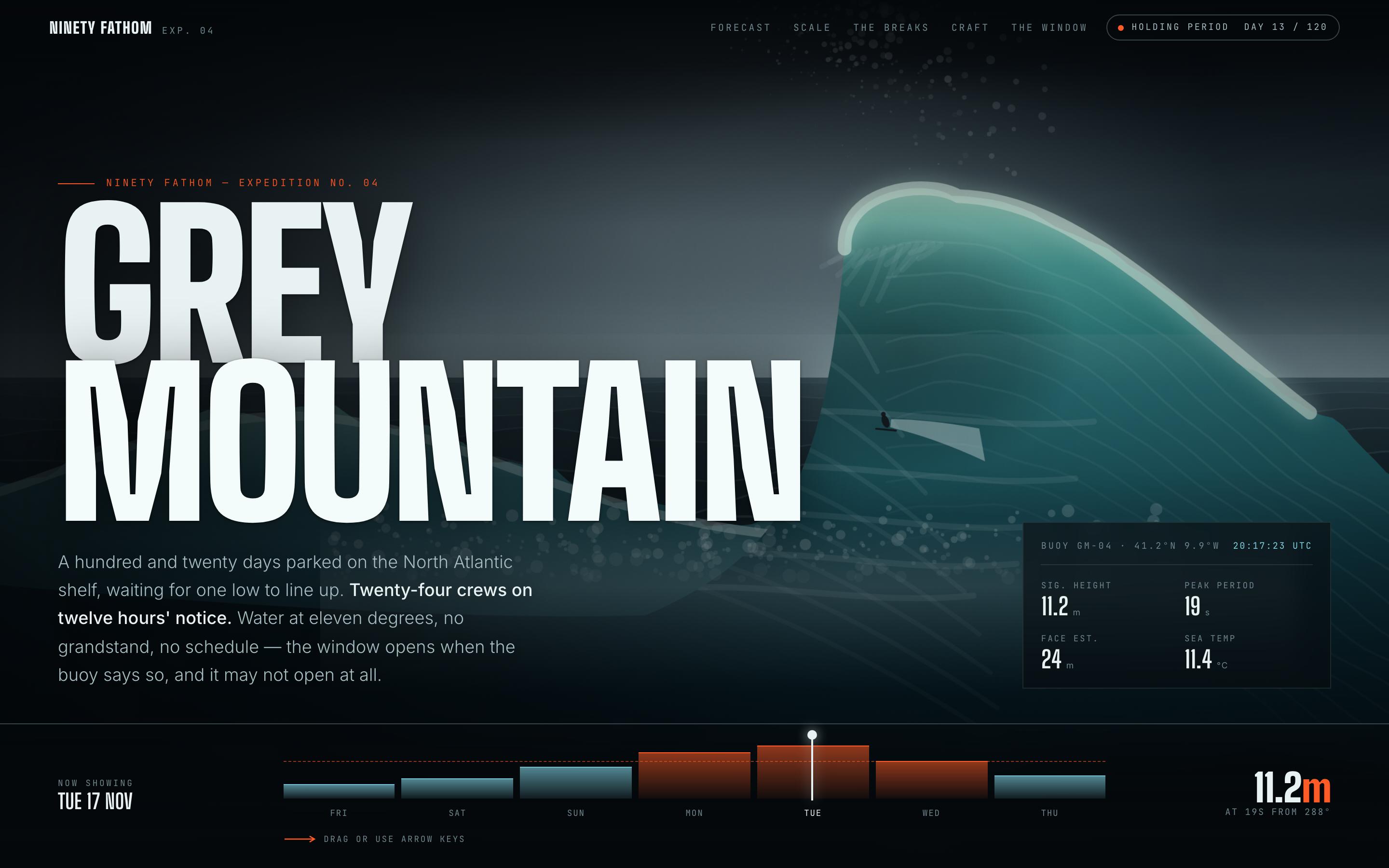
Surf Forecast Website Template
FitnessGrey Mountain — Big Wave Forecast
a 120-day holding period on the North Atlantic shelf

Join our community
Share work, seek support, stay updated and network with other UXMagic.ai users
